




Author: Sam Rivera Date: July 2, 2026 Reading Time: 12 minutes
I’ll keep this honest.
About two years into my current relationship, things were good—really good. But the “really good” had started to feel like a comfortable loop. Friday night, same sequence, same result. Not bad. Just… predictable.
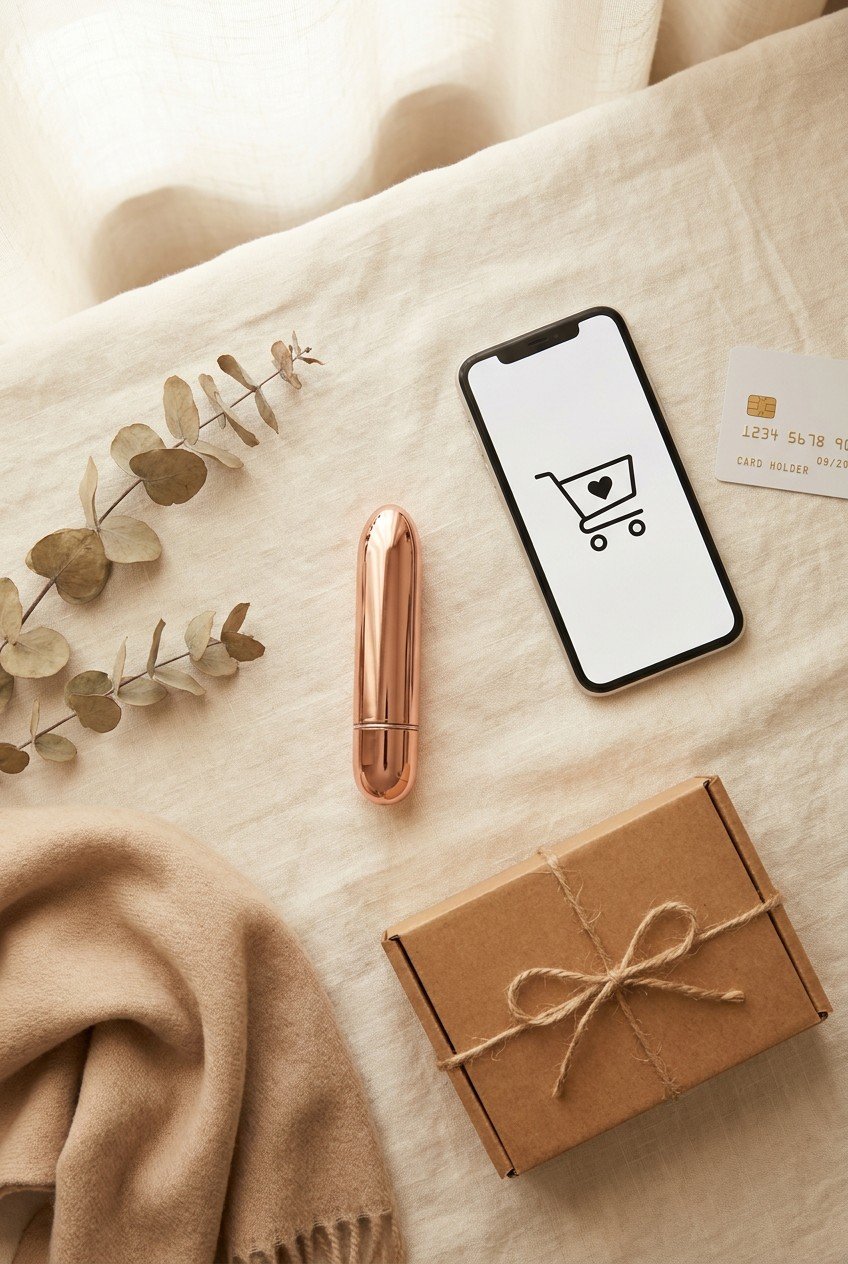
Then my partner brought home a small, unassuming egg vibrator and said, “I saw this and thought of us.”
That was the moment. Not because the toy itself was revolutionary—it’s a pretty standard piece of tech. But what it did was flip a switch. Suddenly we weren’t following the script. We were playing.
That’s what couples toys actually do. They disrupt the routine, introduce surprise, and give you a shared experience that’s yours. Not something you read about or watched. Actually yours.
If you’ve been curious but haven’t known how to start, this guide covers everything: how to bring it up, what to choose, how to use it the first time, and how to make it part of your ongoing relationship—not a one-time experiment that fades.
There’s a persistent myth that introducing toys means something’s missing. That if you need a vibrator, something is deficient. This is wrong.
The reality: the bestselling sex toy brands in the world—We-Vibe, Womanizer, LELO—grew because couples wanted more variety, not because something was broken. The research backs this up. Studies published in the Journal of Sexual Medicine found that couples who incorporated sex toys into their routine reported higher relationship satisfaction and more frequent sexual communication.
Here’s what toys actually do:
They level the playing field. If one partner typically initiates, a toy can shift the dynamic. Remote-controlled devices put the remote in the other person’s hand—literally.
They create shared novelty. Novelty is one of the strongest drivers of arousal, according to the Dual Control Model of sexual response. A new experience together triggers dopamine and anticipation in a way that routine simply doesn’t.
They reduce performance pressure. Toys don’t get tired or self-conscious. They just do their job. That takes the pressure off, especially for partners who’ve experienced erection issues, arousal difficulties, or mismatched timing.
They open the door to talking about sex. Once you’ve bought something together, talked about it, and used it—you’ve opened a channel that most couples never crack. That’s often the biggest unlock.

This is where most people get stuck. They know they want to say something, but the words feel impossible.
Here are three real scripts that work, depending on where you are in your relationship.
You’re still in the discovery phase, establishing habits. This is the easiest time to introduce toys—because everything is new, and novelty is already part of the dynamic.
“Hey, I was browsing online and saw this couples toy thing. Look at this. Would you be into trying something like this together?”
Keep it casual. Text it, mention it in passing, show them the product page. Don’t make it a big declaration. You’re not asking permission to change the relationship—you’re floating an idea.
You’ve built a life together. The challenge isn’t attraction—it’s fighting the comfort zone. The best approach here is to frame it around yourself, not a critique of the current situation.
“I’ve been thinking about trying something new in bed. Nothing’s wrong—I just want us to explore a little more. Can we talk about it?”
Then, once the conversation is open:
“I found this [specific product]. It looks interesting. Would you want to try it together?”
This approach avoids the “is our sex not good enough?” trap by owning your own curiosity first.
Don’t push. Don’t pressure. And definitely don’t buy something and surprise them with it—that’s a trust violation, not a romantic gesture.
Instead, share a story or article:
“I read this article about couples who use toys together. A lot of them said it made them closer, not just… you know. I thought it was interesting. What do you think about stuff like that?”
This creates distance from the personal ask. Your partner can respond to the idea without feeling pressured to respond to a request. Once they engage, you can move toward the specific product.
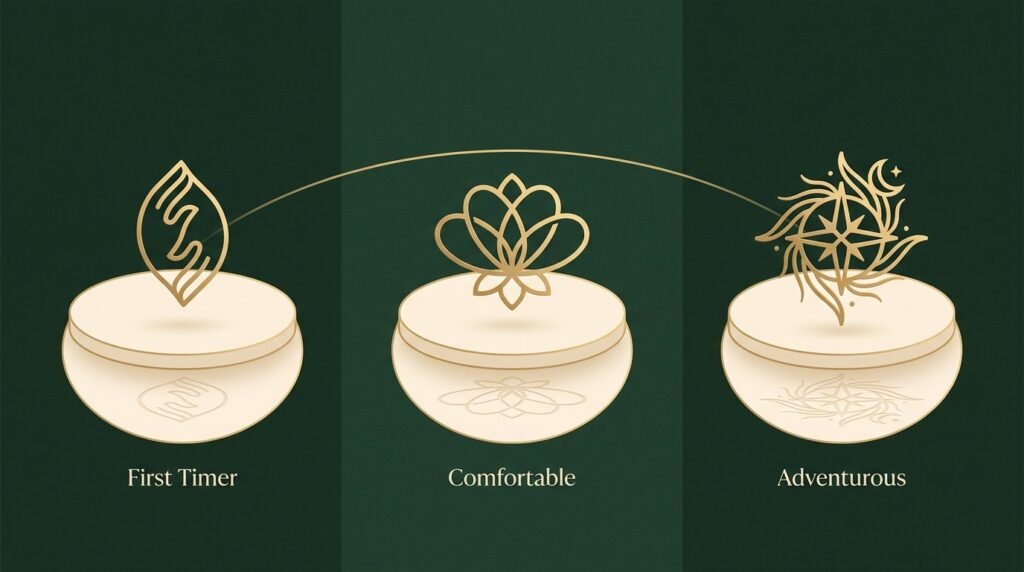
Skip the overwhelming catalog pages. Here’s a practical decision tree:
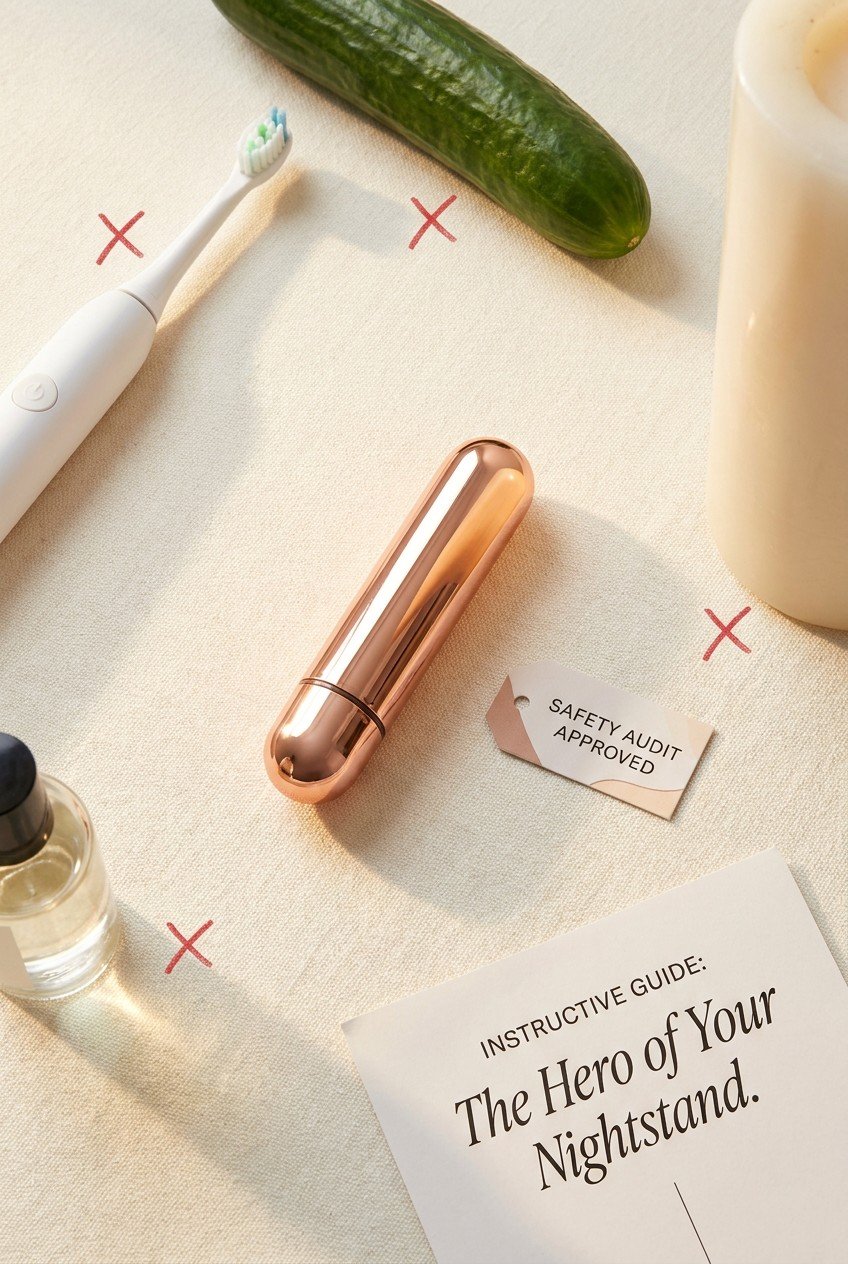
What to look for: Simple, body-safe, non-intimidating, works for both partners.
Best product types:
The key principle: Neither person should feel like the toy is replacing them. At Stage 1, choose something that requires both people to operate or participate.
Example approach: Start with a simple bullet vibrator. Not for penetration—just for external use. She holds it. He watches and participates. No pressure, no performance. Just discovery.
What to avoid: Complex app-controlled devices, anything that requires setup or explanation before the mood is right.
What to look for: Remote control capability, wearable options, products designed specifically for couples.
Best product types:
The unlock at this stage: Control becomes a game. One partner holds the remote. You can hand it over mid-moment, create anticipation, build teasing. This is where the shared experience deepens.
Example: A wearable panty vibrator lets her go about her evening while he controls the intensity from across the room—or across the city. The power dynamic shift is part of the appeal.
What to look for in products: USB rechargeable, waterproof, body-safe silicone, at least 3 intensity levels.
What to look for: Advanced features, app connectivity, products that do more than one thing simultaneously.
Best product types:
The key principle: At this stage, you’re not using toys to add to sex—you’re integrating them into your vocabulary. They become part of how you have sex, not an occasional addition.
Here’s what actually happens when you use a couples toy for the first time:
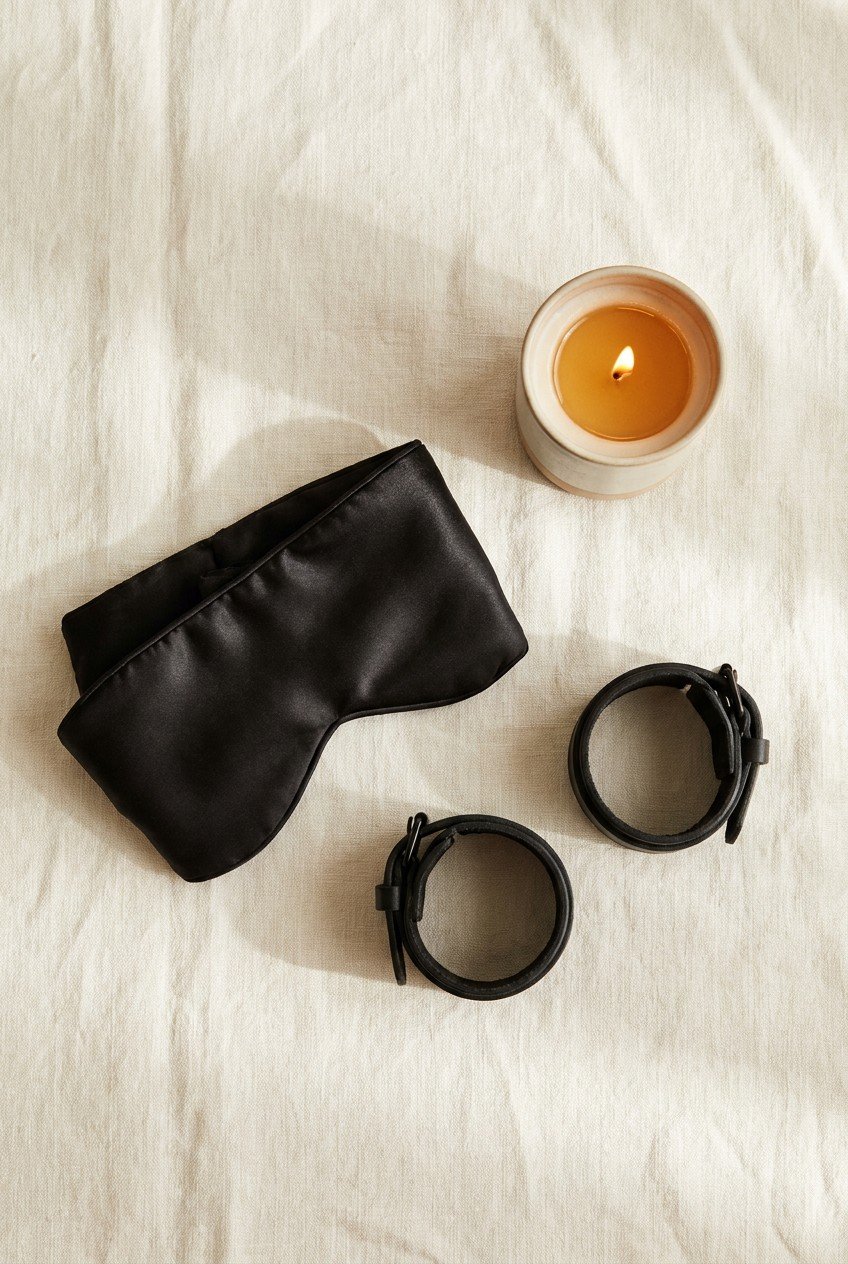
Set the scene, but not too much. You don’t need candles and mood music (though it helps). What you need is:
Warm up first. Don’t go straight to the toy. Do the things you normally do—kissing, touching, oral. Use the toy after you’re both physically engaged. The toy is the accelerant, not the fire.
Let the person who isn’t holding the toy lead. Hand the control to the less experienced or more hesitant partner. Being in control removes the pressure of being “evaluated.”
Check in verbally. “Is this okay?” “Do you want more?” These aren’t mood-breakers—they’re what separates good sex from great sex. Toys make this easier, not harder, because the focus shifts from bodies to sensation.
Don’t aim for a home run. The goal of the first session isn’t to have the best sex of your lives. It’s to laugh together, try something new, and leave the door open. Anything beyond that is a bonus.
Clean the toy together. This sounds mundane. It’s actually intimate. Wipe it down, figure out where to store it, talk about what you liked. The conversation after is where most couples build the foundation for making toys a regular part of their relationship.
Don’t over-analyze. If one of you loved it and one wasn’t sure, that’s normal. Say: “I’d like to try that again. How did it feel for you?” Then listen. Really listen.
“If I suggest a toy, will my partner think I’m not satisfied with them?”
The only way this happens is if you frame it that way. Say: “I want to try this with you because I’m already satisfied—I just want to see what else we can do together.” Ownership of your own desire, not criticism of your partner, is the frame that works.
“What if my partner says no?”
Respect it. Immediately. Saying no to a specific toy or a specific moment is not a permanent veto on the category. It might mean: not tonight, not that product, or not yet. Check in again in a few weeks—without pressure.
“I’m nervous my partner will prefer the toy to me.”
This fear is real and worth acknowledging. The honest answer: toys don’t have empathy, humor, or chemistry. They don’t look at you a certain way or make you feel loved. If your relationship is solid, a toy is a supplement—not a replacement.
“Do we need special lubricant?”
Yes. Water-based lubricant is the safest choice for use with most silicone toys. If your toy is made of hard plastic or glass, silicone-based lubricant lasts longer. Avoid oil-based lube with latex condoms and most silicone toys. (See our full Lube Guide for the complete breakdown.)
“How do I clean it?”
Clean your toy within a few minutes of use—warm water and mild soap, or a dedicated toy cleaner. Let it dry completely before storing. Don’t leave it in a damp bathroom drawer. (See our full Cleaning Guide for step-by-step instructions.)
Here’s the pattern we’ve seen with couples who successfully integrate toys:
Week 1–4: Try it once. See how it feels. Talk about it afterward.
Month 1–2: Try it again if the first time went well. Add a second product type if you’re both interested. Discuss what worked.
Month 3+: Toys are part of the toolkit. Not every session, not even most sessions—but when the mood strikes or you want to do something intentional, you reach for the toy drawer without it being a big deal.
The transition marker: when you stop saying “want to use the toy?” and start just reaching for it because it’s part of how you do things.
Common mistake: Treating the first attempt as a pass/fail test. If it wasn’t transcendent, you don’t give up—you debrief, adjust the product choice, or wait for a better moment. Most couples who give up after one try quit too early.
Let me close with the thing I wish someone had told me earlier:
Couples toys aren’t about fixing what’s wrong. They’re about discovering what’s possible.
The couples who use them successfully share one trait: they’re curious about each other. They treat their sex life as something they’re building together, not something that should simply work on its own. Toys are one tool in that building process.
If you’ve been thinking about it, the right time is whenever you can have a private conversation and an unhurried hour together. That’s it. You don’t need a special occasion or a perfect moment.
You just need to decide to try.
Ready to explore together? Browse our Couples Toys collection—body-safe, USB rechargeable, and designed for real couples, not just models in stock photos.
About the Author:
Sam Rivera is a pleasure educator and product reviewer at AmorSerere. With a background in relationship psychology and years of hands-on testing, Sam writes about sex, connection, and the tools that make both better. The goal is always honest talk, not performance.
Last Updated: July 2, 2026

Writer and relationship coach focused on intimacy, communication, and connection.